
For Startups
Playbooks, decision frameworks, and case studies written for startups.

What a Post-Launch Warranty Clause Actually Covers
Most post-launch warranty clauses in dev contracts protect the vendor, not you. Here's what the clause actually covers, what it quietly excludes, and the specific wording to push back on before you sign.

What SOC 2 Type II Actually Demands of Your Codebase
SOC 2 Type II is an architecture problem disguised as a policy problem. Here's what has to be live in production before the observation window even begins — and why most Series A founders discover this three months too late.
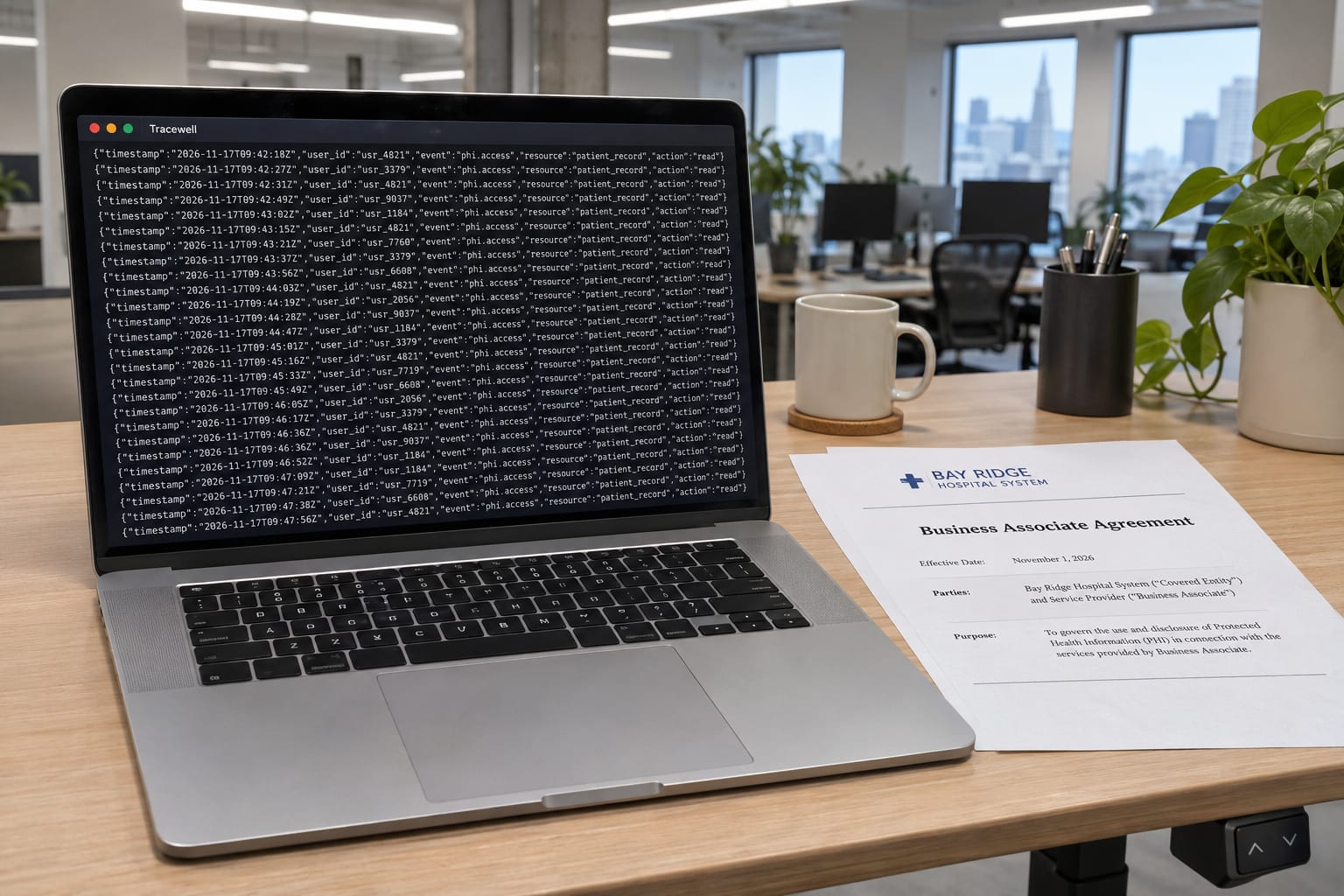
What HIPAA's Audit Controls Rule Actually Demands of Your Logs
Signing a BAA and encrypting your database does not satisfy HIPAA's Audit Controls standard. A flat application log file is functionally non-compliant the moment a hospital's security reviewer — or OCR — asks you to produce a PHI access report by user and date range.

Pricing Your First MVP: What the Scope Document Hides
Three MVP proposals, three wildly different numbers, one confused founder. Here is the framework to decode what the scope document is actually hiding — and which line items will cost you more by your 500th user.

Hiring a Dev Partner for a HIPAA or SOC 2 Build: US Startup Guide
A signed BAA doesn't make a dev shop HIPAA-capable — the SOW decides who carries audit liability. Here's how US health-tech founders should evaluate a partner for a regulated build, with the specific questions that separate real compliance fluency from theater.

Hiring Locally vs. Outsourcing: What Indian Startups Miss
The real cost crossover between hiring a senior engineer in-house and retaining an external dev partner in India arrives at month seven, not month one. Here's the framework founders use to decide before their next funding conversation.

What to Ask a Dev Partner Before Your First Funding Round
Series A technical due diligence in India kills or reprices deals on three missing artifacts, not on code quality. Here are the 14 questions to ask your dev partner now — 60 to 90 days before the term sheet — to surface the gaps while they are still fixable.
How Long Does a Dual-Store App Launch Actually Take
The build is rarely what slips a dual-store launch date. Apple's review queue, Google Play's 14-day testing rule, and a missing privacy notice will quietly consume six weeks a founder forgot to budget for.
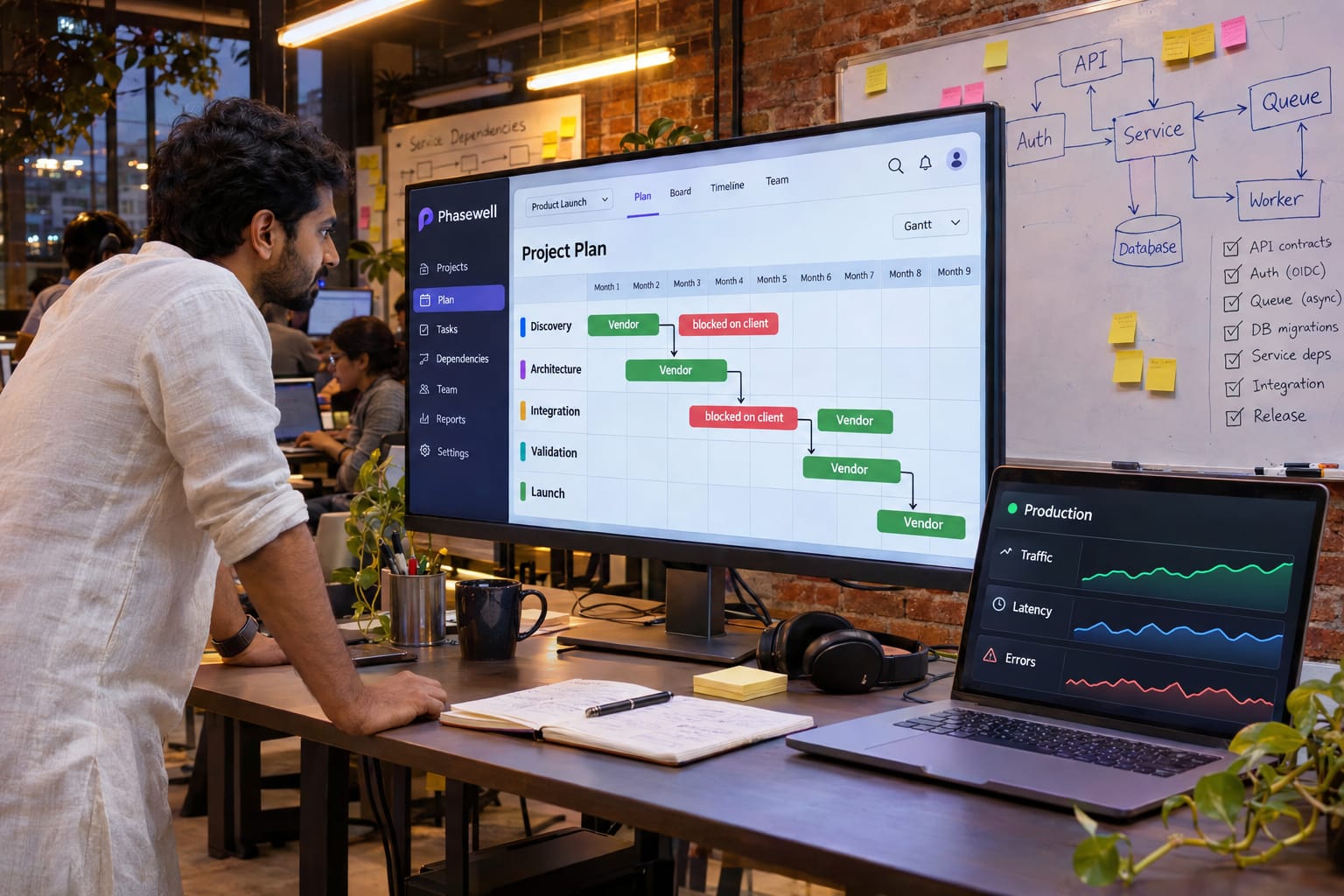
Zero-Downtime Migration: The Timeline Your Vendor Won't Show You
Vendor proposals for zero-downtime migrations swing from 8 weeks to 9 months with no breakdown of why. Here is the phase-by-phase timeline, which weeks depend on your team, and the three things that most often add a month you didn't plan for.
What Your Budget Actually Buys at Each Stage: UAE Startups
A Dubai founder with AED 500K in the bank cannot tell whether a AED 150K proposal is a bargain or a trap. This is the calibration guide — by budget tier, by provider category, by what you actually get for the money.
Hiring a Dev Partner vs. First Engineer: What UK Startups Actually Pay
A UK seed founder comparing a £70k engineer salary to a dev partner quote is comparing the wrong two numbers. Here is the honest all-in cost model, the ramp reality, and a decision framework for the next 30 days.
Who Owns the AI Model Your Dev Partner Builds on Your Data
Your MSA assigns 'code and deliverables' but says nothing about model weights, embeddings, or fine-tuning checkpoints — and under UK law that silence favours your vendor, not you. Here's the clause wording investors now expect at seed and Series A, and the questions to put to your dev partner before the term sheet lands.